Dumpster Bin Rental vs Garbage Dumpster Rental: What’s the Difference?
When planning a cleanup, renovation, or construction project, choosing the right waste container can make disposal easier and more efficient. A garbage dumpster rental provides a practical way to manage larger volumes of waste, while rental bins can suit smaller or more targeted cleanup needs. Understanding the difference helps you select the right option for your project.
Understanding Garbage Dumpster Rental
Garbage dumpsters are designed to collect and contain waste during residential, commercial, renovation, and construction projects. Their size, capacity, loading method, and rental terms can vary depending on the provider and project requirements.
What Is a Garbage Dumpster Rental?
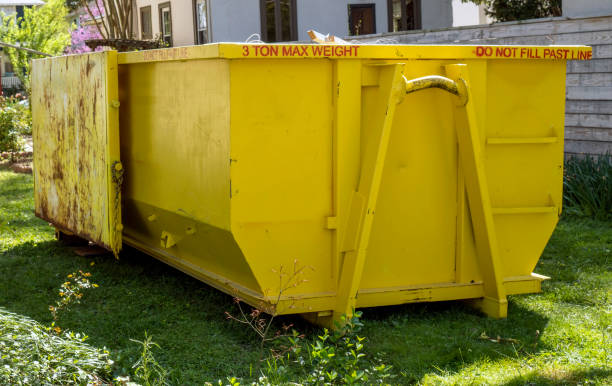
A garbage dumpster rental is a temporary waste container delivered to a property for collecting unwanted materials. Depending on the container type, it may accommodate household waste, renovation debris, construction materials, or general junk.
How Garbage Dumpsters Are Used for Waste Removal
Dumpsters provide a centralized location for waste throughout a project. Once the container is filled or the rental period ends, the provider arranges pickup and handles the next stage of disposal or processing.
Who Typically Needs a Garbage Dumpster?
Homeowners, contractors, businesses, property managers, and construction teams may use garbage dumpsters. They are particularly useful when waste volume exceeds what regular garbage collection can handle.
What Is a Bin Dumpster Rental?
Rental bins are another convenient waste management option for temporary projects. They can be useful where a compact container is preferred or where the amount of waste does not justify a larger dumpster.
Understanding Bin Dumpster Services
A bin dumpster rental typically involves delivery of a waste container for a specified rental period. The provider may offer different container sizes and pickup schedules based on the customer’s project.
Common Projects That Use Rental Bins
Rental bins can support household cleanouts, junk removal, seasonal cleanup, minor renovations, landscaping projects, and other short-term waste disposal needs.
How Bin Rentals Differ From Traditional Dumpsters
The primary differences may involve container dimensions, capacity, loading access, placement requirements, and rental terms. However, terminology varies between providers, so customers should compare the actual specifications rather than relying only on the name.
Garbage Bin vs Dumpster: Are They Actually Different?
The terms garbage bin, dumpster, and rental bin are often used differently across the waste management industry. In many cases, the practical differences depend more on the container’s design and intended use than its name.
Differences in Size, Design, and Capacity
Some bins are smaller and more suitable for limited waste volumes, while dumpsters may offer greater capacity. Container dimensions should always be checked before booking.
Differences in Loading and Placement
Containers can have different loading heights, openings, and placement requirements. Accessibility is important because the container needs to be convenient to load while remaining accessible for collection.
Differences in Rental Duration and Pickup
Rental periods can vary from provider to provider. Some services offer flexible pickup arrangements, while others operate under fixed rental periods.
Why Terminology Can Vary Between Providers
There is no single naming convention used by every waste container company. A provider may call a particular container a bin, dumpster, garbage bin, or construction bin even when similar services are available elsewhere.
Comparing Different Waste Container Types
Understanding waste container types makes it easier to match the container with your project’s waste stream. Consider the material, quantity, available space, and required rental period before making a selection.
Roll-Off Dumpster vs Bin
A roll-off dumpster is generally designed for larger waste volumes and is delivered using specialized equipment. A bin may be more suitable for smaller projects where space and capacity requirements are limited.
Front-Load and Other Dumpster Options
Front-load dumpsters are commonly associated with recurring commercial waste collection. Other dumpster configurations can be intended for temporary residential, renovation, or construction waste.
Residential and Commercial Waste Containers
Residential containers often focus on household cleanups and renovation debris. Commercial containers may support recurring waste collection or larger volumes generated by businesses and facilities.
Choosing Based on Waste Type and Project Requirements
Waste type is as important as volume. Heavy debris, bulky materials, yard waste, and general household junk can have different container requirements.
Comparing Rental Container Sizes
Container size should be based on both the amount and type of waste you expect to generate. Selecting a suitable size can reduce the risk of overflow or paying for unnecessary capacity.
Container Size | Typical Use | Main Consideration |
|---|---|---|
Small | Household cleanup | Limited waste volume |
Medium | Renovation and cleanouts | Moderate debris |
Large | Construction and commercial work | High waste volume |
Small Containers for Household Cleanups
Small containers can work well for decluttering, household cleanouts, and limited amounts of general waste.
Medium Containers for Renovation Projects
Medium-sized containers provide additional capacity for renovation debris, flooring, fixtures, and other materials generated during property improvements.
Large Containers for Construction and Commercial Waste
Large containers are generally better suited to construction sites, major renovations, demolition debris, and commercial waste streams.
How to Estimate the Right Container Size
Estimate the volume of waste before ordering. Consider the material density, bulky items, project duration, and whether additional waste will be generated during the work.
Garbage Dumpster Rental vs Bin Dumpster Rental: Key Differences
The best option depends on more than the container name. Capacity, access, material type, rental duration, and pricing should all be considered together.
Factor | Garbage Dumpster | Rental Bin |
|---|---|---|
Capacity | Often larger | Often smaller to medium |
Best for | Renovations and larger waste volumes | Cleanouts and smaller projects |
Placement | Requires suitable access | Often suitable for tighter areas |
Rental terms | Vary by provider | Vary by provider |
Capacity and Space Requirements
A larger dumpster requires adequate space for placement and collection. Smaller bins may provide more flexibility when property space is restricted.
Waste Type and Weight Considerations
Heavy materials can affect weight limits and disposal costs. Always confirm accepted materials and weight restrictions before arranging delivery.
Delivery, Placement, and Pickup Requirements
Check whether the delivery vehicle can safely access the intended location. Pickup also requires sufficient clearance around the container.
Pricing and Rental Terms
Pricing can depend on container size, rental duration, waste type, delivery, pickup, disposal fees, and applicable weight limits.
Which Waste Management Option Is Right for Your Project?
Choosing between a dumpster and bin starts with understanding the project’s waste volume and material type. The right container should provide sufficient capacity without creating unnecessary space or cost concerns.
Choosing a Dumpster for Home Renovation Waste
A dumpster can be appropriate when renovations generate substantial amounts of flooring, drywall, fixtures, cabinets, and other debris.
Choosing a Bin for Junk and Property Cleanouts
A rental bin can be convenient for general junk, household clutter, furniture, and property cleanout materials when the volume is manageable.
Options for Yard Waste and General Cleanup
Yard waste and general cleanup materials may require specific container arrangements. Confirm what materials are accepted before filling the container.
Containers for Construction and Commercial Projects
Construction and commercial projects often require larger capacity and reliable pickup services. Container selection should account for both material volume and site logistics.
Factors to Consider Before Renting a Waste Container
A little planning can help prevent unexpected charges and placement problems. Review the provider’s requirements before scheduling delivery.
Identify the Type and Volume of Waste
Make a list of the materials you expect to discard and estimate their volume. This helps determine the appropriate container.
Check Weight Limits and Prohibited Materials
Different services may have restrictions on certain materials and maximum allowable weights. Confirm these requirements before loading.
Confirm Available Space for Container Placement
Measure the proposed placement area and check vehicle access. Avoid locations that could block entrances, driveways, or necessary access routes.
Review Rental Periods and Additional Charges
Understand the rental period, extension fees, delivery charges, pickup terms, and disposal costs before confirming your order.
How to Compare Garbage Dumpster Rental Providers
Not all rental services offer the same containers or terms. Comparing providers carefully can help you find a service that aligns with your project’s needs.
Compare Available Container Sizes
Look for providers offering multiple sizes so you can select capacity based on actual waste volume.
Review Pricing and Included Services
Compare what the quoted price includes, such as delivery, pickup, rental duration, and disposal allowances.
Check Delivery and Pickup Flexibility
Flexible scheduling can be useful when project timelines change. Confirm how pickup requests and rental extensions are handled.
Evaluate Customer Service and Local Experience
Clear communication and local knowledge can make container placement, scheduling, and waste requirements easier to manage.
Why Choose Yellow Bins for Dumpster and Bin Rentals?
Yellow Bins offers waste container solutions designed for different residential, renovation, and commercial requirements in Edmonton. Customers can consider container capacity, project type, and scheduling needs when selecting a rental option.
Multiple Container Sizes for Different Projects
Different projects generate different amounts of waste. Multiple container sizes make it easier to select a practical option.
Residential, Renovation, and Commercial Waste Solutions
Container rentals can support household cleanups, renovations, property maintenance, construction activities, and commercial waste requirements.
Convenient Delivery and Pickup Services
Reliable delivery and pickup help keep waste management organized throughout the rental period.
Transparent Rental Options for Edmonton Customers
Clear rental terms help customers understand container requirements, scheduling, and potential additional charges before booking.
How to Choose Between a Garbage Dumpster and a Rental Bin
The right choice comes down to your project’s specific requirements. Compare capacity, location, rental duration, materials, and total cost before making the final decision.
Match the Container to Your Waste Volume
Estimate the amount of waste and select a container with enough capacity. Avoid overfilling, as weight and safety restrictions may apply.
Consider Your Project Location and Duration
Available space and project duration can influence which container is most practical. Make sure the container can be delivered and collected safely.
Compare Total Rental Costs
Look beyond the basic rental price. Consider delivery, pickup, disposal, weight limits, rental extensions, and other applicable charges.
Confirm Accepted and Restricted Materials
Before booking, ask the provider whether your specific waste materials are accepted. This helps prevent disposal issues and unexpected fees.
Frequently Asked Questions About Garbage Dumpster Rental
Is a garbage dumpster the same as a rental bin?
Not necessarily. The terms are sometimes used interchangeably, but containers can differ in size, design, capacity, loading method, and intended use. Always check the provider’s specifications.
What is the difference between a roll-off dumpster and a bin?
A roll-off dumpster is generally designed for larger waste volumes and is delivered using specialized equipment. A bin may be smaller and better suited to limited cleanups or projects with lower waste volumes.
How do I choose the right rental container size?
Estimate your waste volume, identify the materials involved, consider available placement space, and review the provider’s size options. When uncertain, ask the rental provider which capacity fits your project.
Is a garbage dumpster rental suitable for home renovations?
Yes. A garbage dumpster rental can be suitable for renovation debris when the container has sufficient capacity and accepts the materials being discarded. Confirm weight limits and prohibited materials before renting.
Which waste management option should I choose for my project?
Choose based on waste volume, material type, available space, project duration, and total rental cost. Yellow Bins can help customers compare suitable dumpster and bin rental options for their requirements.
Need the right waste container for your project? Get in touch with Yellow Bins today to discuss your requirements and arrange a suitable rental.
Contact Yellow Bins for Dumpster and Bin Rental Services
Conclusion
Choosing between a garbage dumpster and a rental bin does not have to be complicated. The most suitable option depends on waste volume, material type, available space, rental duration, and project requirements. Comparing container sizes and rental terms can help you avoid capacity problems and unnecessary costs.
For construction and larger renovation requirements, construction garbage bin rental can provide a practical way to manage significant volumes of project waste. With the right container, delivery schedule, and rental terms, waste removal becomes easier to organize from start to finish.